


ABOUT JUDO
History
THE ORIGINS OF JUDO
Judo is one of the world's most popular martial arts and Olympic sports. Its origins date back to 1882 and are rooted in the traditional Japanese martial art of jujutsu, which itself evolved from ancient Japanese combat practices.
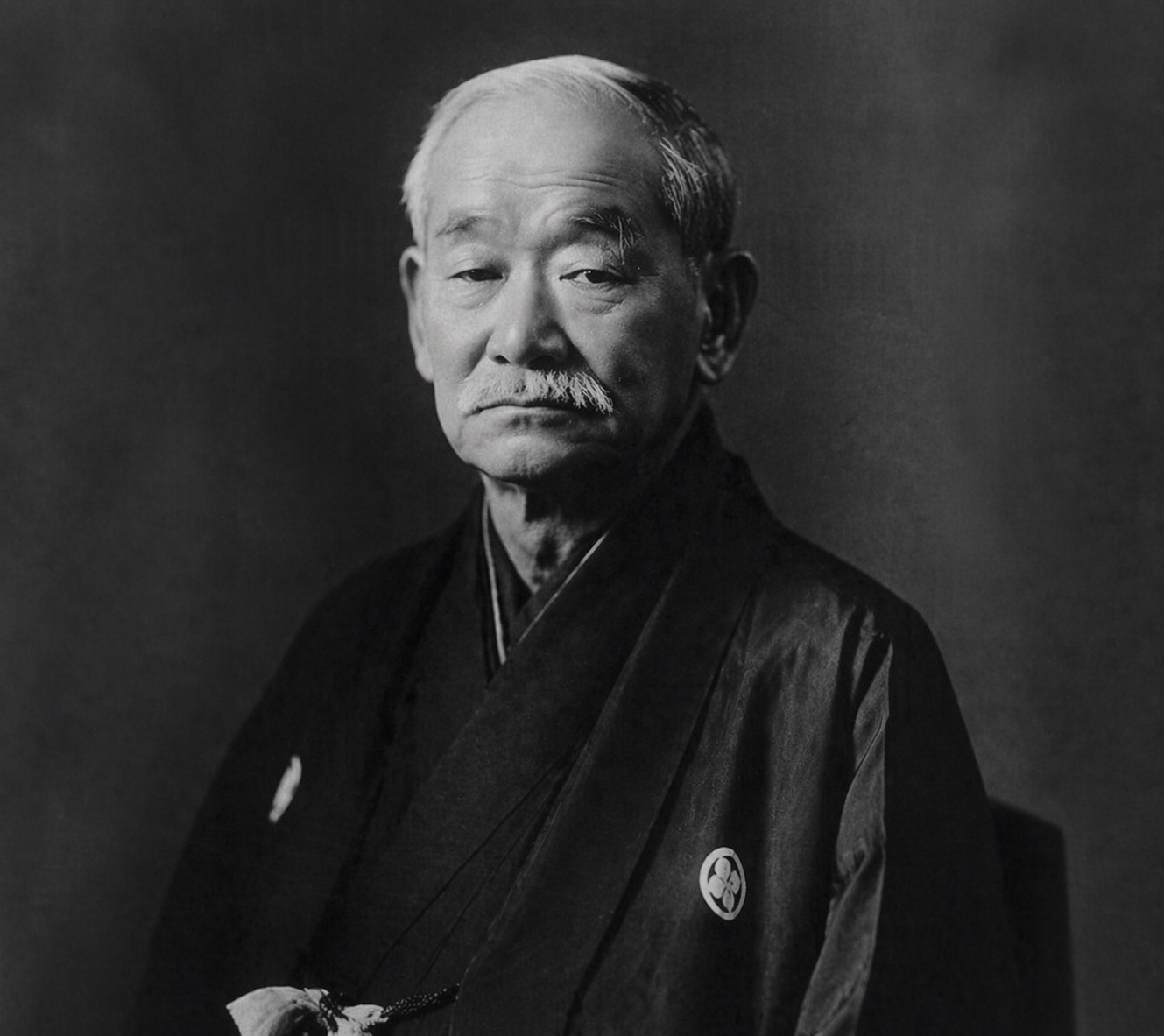
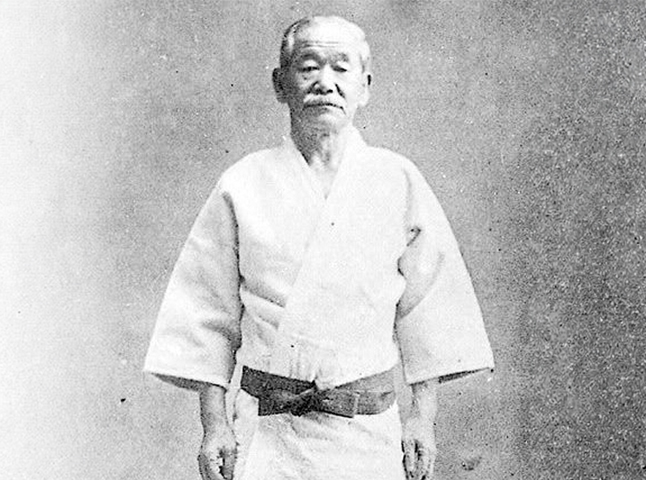
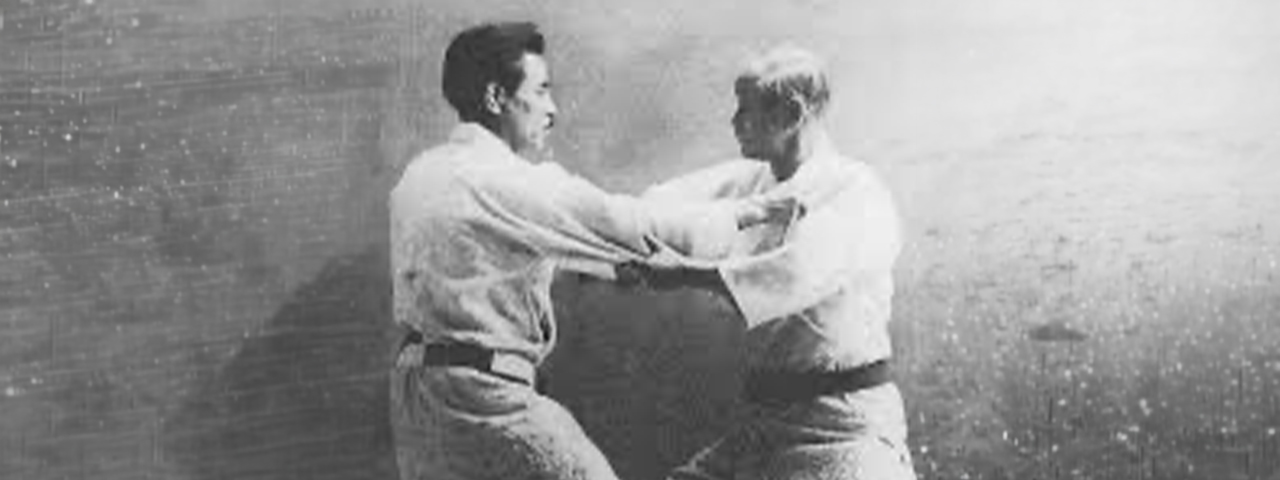
In 1882, Jigoro Kano (1860–1938) established the foundations of modern judo by developing its core principles, training methods and technical system. At the time, jujutsu was widely practised in Japan, but training and competitions often resulted in serious injuries. Moreover, the discipline gradually became associated with violence and techniques intended to incapacitate or kill an opponent.
Recognising the need for a safer martial art that would promote both physical and moral development, Kano set out to create a new system suitable for young people. After studying various schools of jujutsu at the Tokyo Imperial University and refining their techniques with the support of leading instructors and medical expertise, he eliminated the most dangerous techniques responsible for dislocations and fractures while preserving and systematising the most effective ones.
The result was judo—a discipline whose name reflects its philosophy. In Japanese, "Ju" means gentle, flexible or yielding, while "Do" means way or path.
KODOKAN – THE FIRST JUDO SCHOOL
At just 21 years of age, Jigoro Kano created a new martial art that combined traditional Japanese values with modern educational principles, placing character development above aggression.
To teach and promote his new discipline, Kano founded the Kodokan in May 1882 at the Eisho-ji Buddhist Temple in Tokyo. Today, the Kodokan remains the world's foremost international centre for judo.
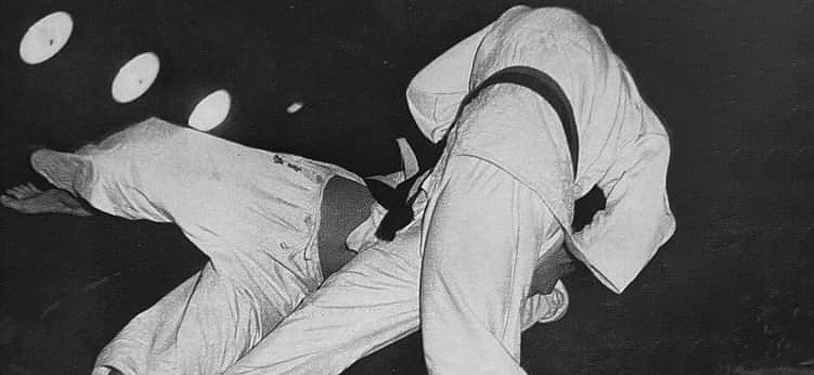
Kano actively promoted judo by demonstrating that proper technique allows a smaller or physically weaker person to overcome a stronger opponent. As interest in the discipline rapidly increased, the number of Kodokan students grew steadily.
The success of Kano's students in contests against practitioners of jujutsu and other martial arts further strengthened judo's reputation. Determined to spread the discipline worldwide, Kano and his students travelled throughout Europe and the Americas, introducing judo and establishing Kodokan branches in numerous countries. Scholarships were also offered to encourage young people to take up the sport.
THE GLOBAL GROWTH OF JUDO
Thanks to Jigoro Kano's vision and international efforts, judo expanded beyond Asia during the early twentieth century and quickly gained popularity in countries such as France, Great Britain, Brazil, Belgium, the Netherlands and Spain.
In recognition of his outstanding contribution to the international development of sport, Kano became the first President of the Japanese Olympic Committee and a member of the International Olympic Committee.
The International Judo Federation (IJF) was founded in 1951, followed by the European Judo Union (EJU) in 1952. The inaugural World Judo Championships took place in Tokyo in 1956 and were held again in Paris two years later.
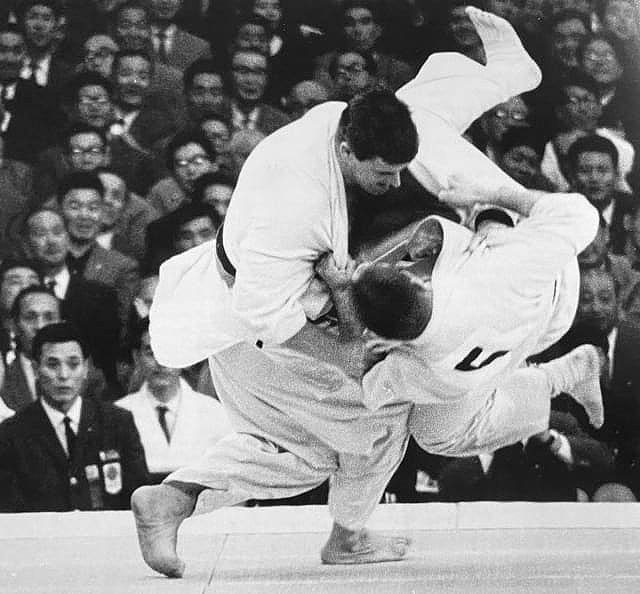
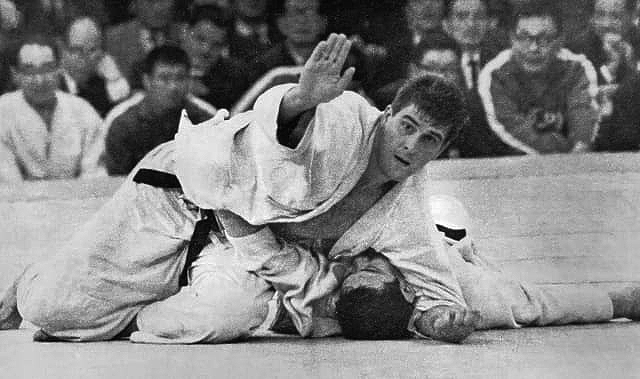
Initially, world championships featured no weight categories, and Japanese athletes dominated the competition. However, after Dutch judoka Anton Geesink became the first non-Japanese world champion in 1961, the introduction of weight divisions fundamentally changed the sport's competitive structure.
The first Women's World Championships were held in 1980, while women's judo made its Olympic debut at the Barcelona 1992 Olympic Games.
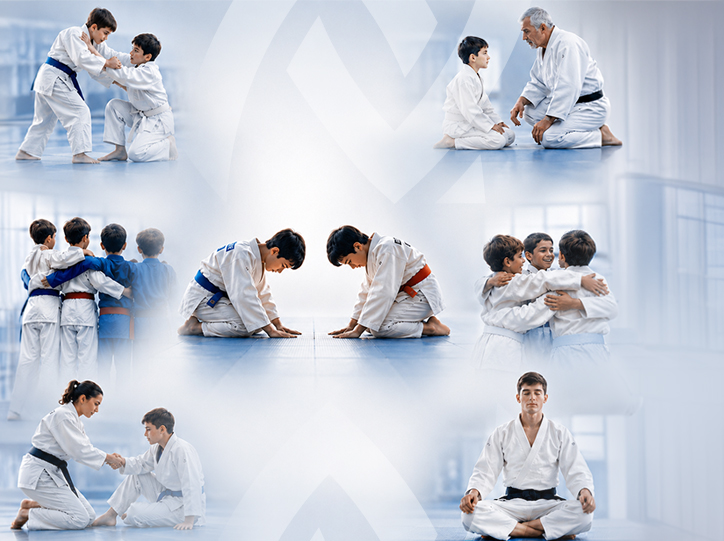
Although rooted in martial arts, judo is fundamentally dedicated to personal development, mutual respect and overcoming an opponent without humiliation. These values helped secure its place in the Olympic Movement.
Judo made its Olympic debut at the Tokyo 1964 Olympic Games. Although it was not included at the Mexico City 1968 Olympic Games, it returned permanently at the Munich 1972 Olympic Games and has remained an Olympic sport ever since.
Today, the International Judo Federation has 207 member national federations. Nearly 10 million people practise judo in Japan, while more than 30 million people worldwide actively participate in the sport.