



“Los Angeles 2028 is our long-term goal” – Richard Trautmann
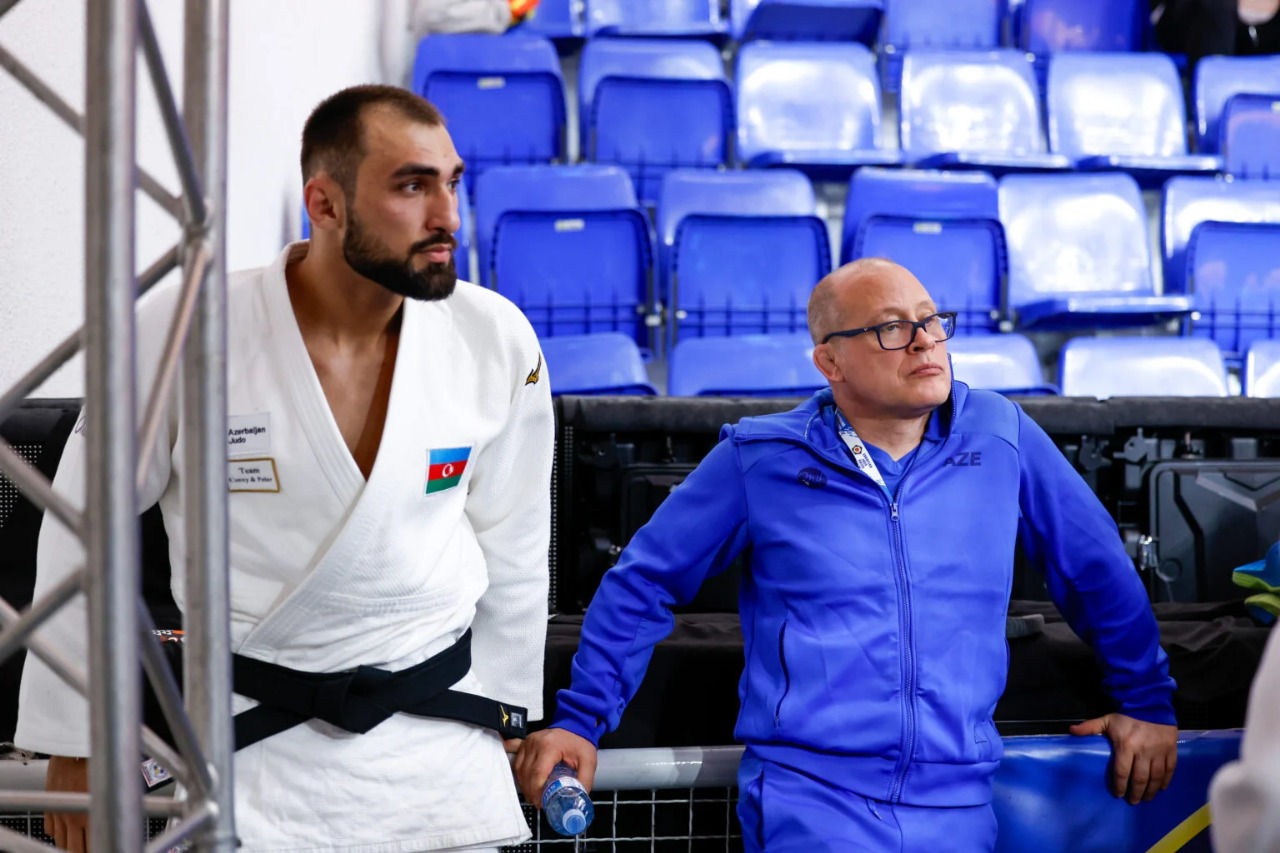
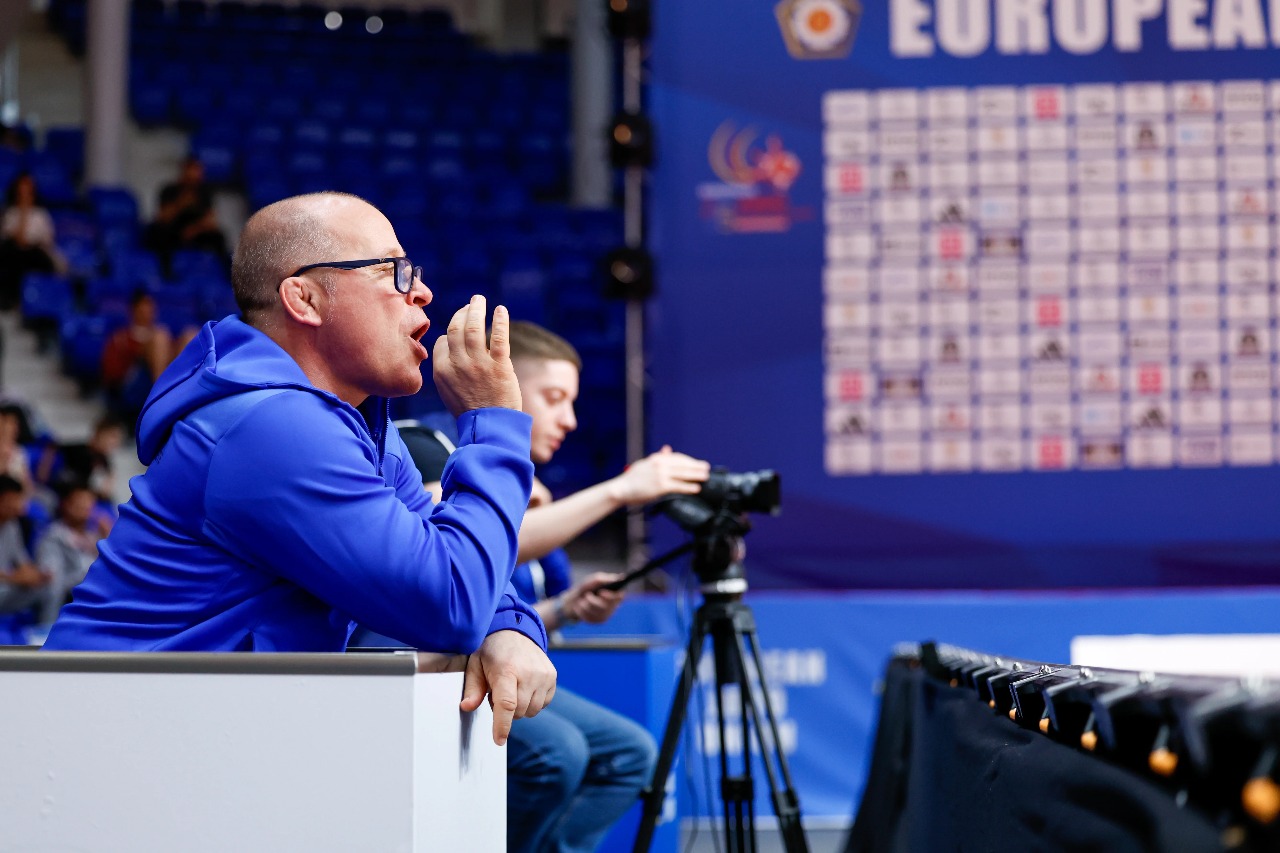
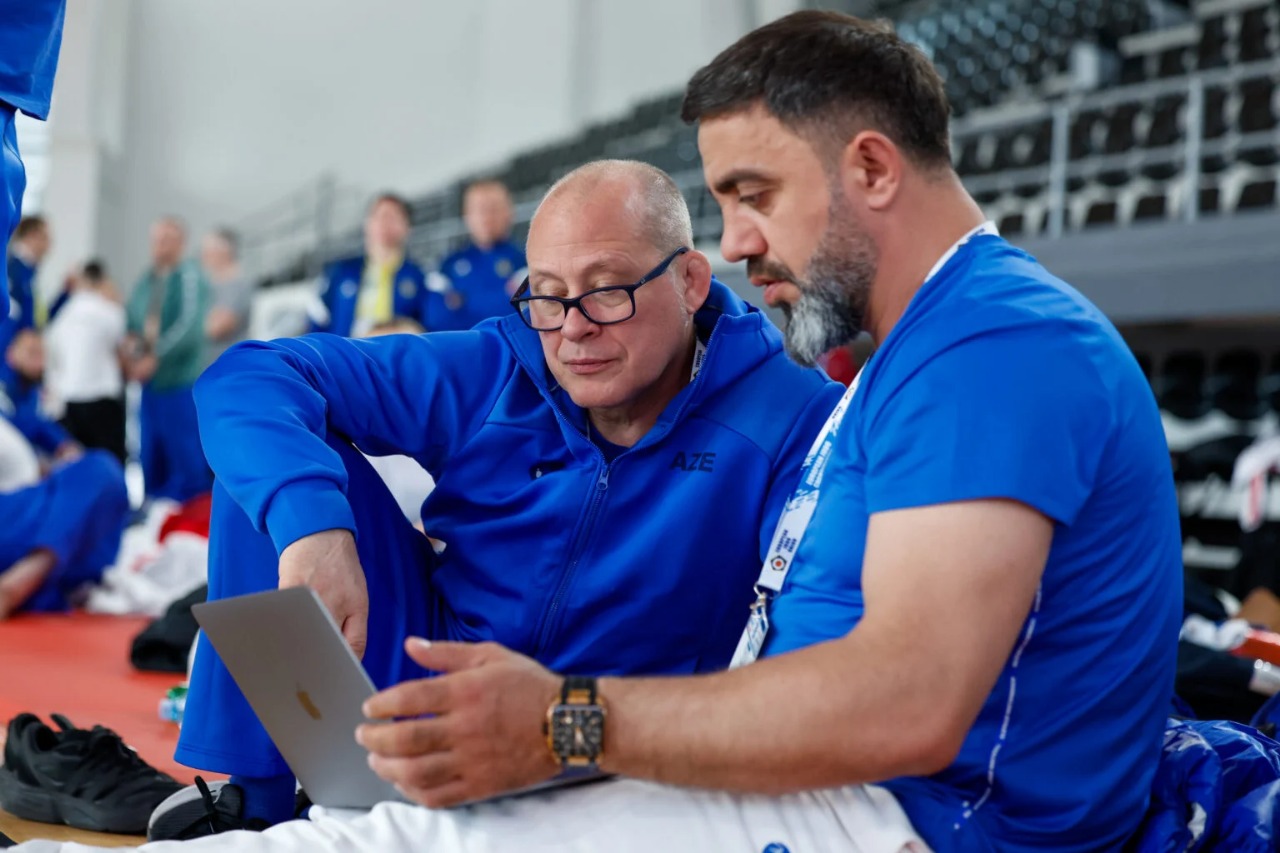
In recent years, Azerbaijani judo has achieved remarkable success on the European and world stage. Following its gold medal triumphs at the Paris 2024 Summer Olympic Games, the national team has now shifted its development strategy toward the next major target — Los Angeles 2028. The German head coach and performance director of the men’s national team, Richard Trautmann, spoke to the official website of the European Judo Union (EJU) about the team’s performance at the European Championships and the outlook for the development of women’s judo in Azerbaijan.
– Mr. Trautmann, how would you evaluate your team’s performance so far in Podgorica?
As always, not all athletes can show their full potential at the same time. I was a bit disappointed on the first day. However, Ahmad Yusifov earned his first medal at this level — a bronze — which is a step forward. Unfortunately, two of our athletes who had gold medal potential, especially Ruslan Pashayev in the -66 kg category, made costly mistakes. He had previously defeated many of the same opponents. But that’s judo — outcomes are never fully predictable. The second day was much more positive. Our Olympic and world champion Hidayat Heydarov was originally scheduled to compete but had to withdraw at the last minute due to illness. We replaced him with Rashid Mammadaliyev, who was originally part of the mixed team lineup. He went on to win bronze, which was a great performance — especially considering he had only recently returned from injury. On the third day, I was not satisfied with the refereeing decision in the semifinal between Murad Fatiyev and Italy’s Christian Parlati. A similar situation occurred in the -81 kg match between Zelim Tckaev and Tato Grigalashvili. I didn’t agree with the calls, but we have to accept them.
– Is Hidayat Heydarov expected to compete at the World Championships?
That’s the plan. First, he needs to recover fully, and then we’ll begin a responsible preparation phase.
– A new Olympic cycle has begun. What are your future plans?
None of our key athletes have retired, but we must look ahead because they are not getting any younger, and there are still more than three years until Los Angeles. We are building the next generation. What encourages me most is that we saw new names on the podium — athletes who hadn’t medaled at this level before. During an Olympic cycle, athletes can get injured, miss surgeries, or be unavailable due to military service. After facing such challenges, we restructured the team. Since February, we’ve been back to full training. We're not yet at 100 percent — which is normal. Our goal is to be at peak strength for the most important events: the World Championships and the Olympic Games. We’re expecting good results at this year’s World Championships, but the main target is next year’s World Championships in Baku. A strong performance there is very important for us. And, of course, our long-term goal is the Los Angeles 2028 Olympic Games. Let’s not forget — becoming a world champion is a huge achievement, but Olympic medals tend to capture public attention more.
– Azerbaijan has a strong tradition in men’s judo. What is the situation in women’s judo?
There hasn’t been a dramatic change yet, but we’ve set clear goals in this direction. We are not willing to accept the current state of affairs. We’ve brought in two high-level coaches — Amina Abdellatif from France and Sascha Herkenrath from Germany — to work with the women’s team. The main objective is to shift the mindset within the team. Helping female athletes build self-confidence is crucial. At the moment, the potential in women’s judo remains limited, simply because there are not enough athletes training at an elite level who genuinely believe they can become Olympic champions. Our federation leadership is fully committed to investing in women’s judo. But this cannot be solved by training alone. Society also needs to be more supportive of women pursuing professional sports careers. And that only comes with success. Creating role models is essential. For example, Diyora Keldiyorova from Uzbekistan is a great example. Right now, we want our female judokas to gain more international experience. The new coaches have taken the time to understand the athletes and their individual characteristics. We’re now developing tailored training plans. If even one or two of our female athletes can break through to the elite level, it could trigger a domino effect. We are already seeing this on the men’s side — due to past successes, more young boys are taking up judo.
– Finally, are there any other key messages you would like to share?
We want to develop judo not just as a sport, but as a philosophy and a way of life. It's not enough to think only about medals. We must live by the principle that “judo is more than sport.” In our team, we also have Japanese coach Kotaro Sasaki, who teaches athletes about the values and philosophy of judo. Our aim is not just to produce physically and mentally strong athletes, but also responsible individuals who will contribute to society and the sport as a whole.
Share


Copy link
website.title.copy_link